
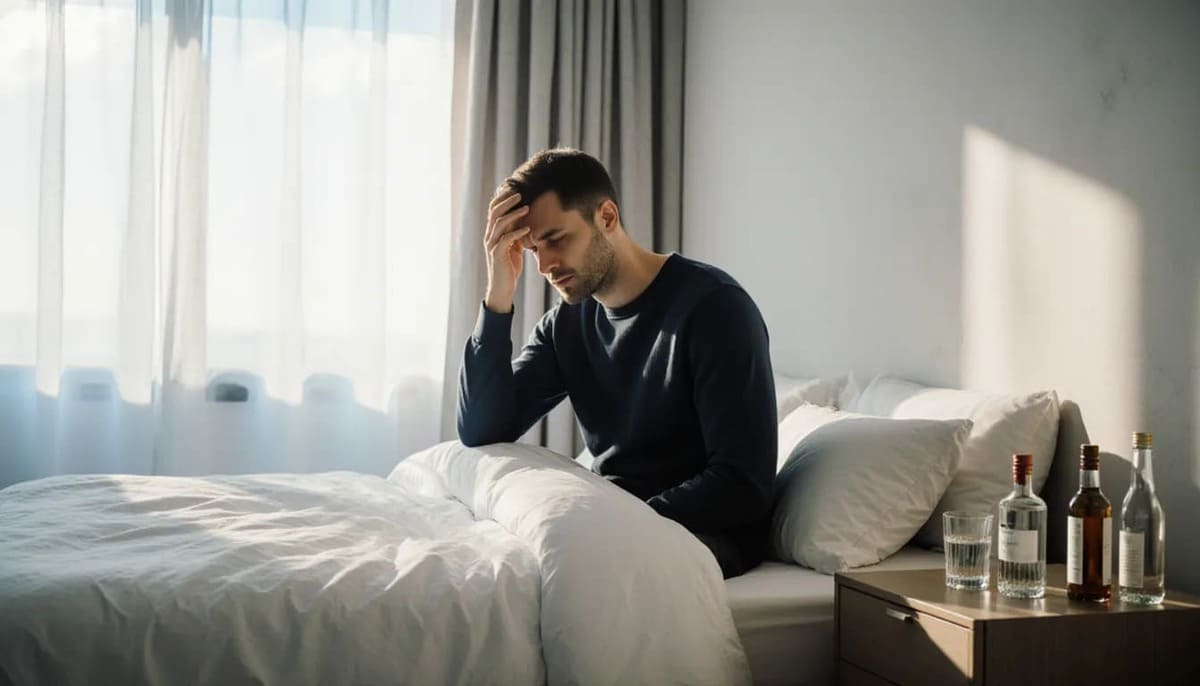
Alcohol detox resets brain activity linked to GABA and glutamate. The body reacts as alcohol levels drop. Shaking, sweating, anxiety, and poor sleep may start within hours. These early signs show the nervous system adapting after long alcohol use.
Safe alcohol detox at home in Los Angeles needs preparation. Remove all alcohol, create a calm space, and plan quiet rest days. Keep water, electrolyte drinks, and simple meals ready. Add vitamin B1 and balanced food for energy.
Withdrawal symptoms follow a timed pattern in most adults. Mild effects can start 6 to 12 hours after the last drink. Stronger symptoms may peak around 48 to 72 hours. Most people stabilize within 5 to 7 days.
This guide explains safe steps to start alcohol detox at home, how to manage withdrawal symptoms, and when to get medical help in Los Angeles.
What is Alcohol Detox and Withdrawal?
Alcohol detox is the process where the body removes alcohol after long use. The brain resets its balance of GABA and glutamate once drinking stops. These changes affect nerves and cause short physical and emotional reactions.
Alcohol withdrawal is what happens when alcohol levels fall. People may feel shaky, anxious, sweaty, or sick to the stomach. Some have poor sleep, fast heartbeat, or mild hallucinations during early hours. In stronger cases, seizures or severe confusion can appear within 2 to 3 days.
Safe alcohol detox at home in Los Angeles needs hydration, rest, and daily symptom checks. Track how you feel and contact medical help if symptoms rise. Quick care prevents dangerous complications during withdrawal.
Why Safety Is Important During Alcohol Detox at Home
Alcohol detox changes brain chemistry linked to GABA and glutamate. These shifts can make the body unstable for several days. Safety protects against serious withdrawal reactions that can appear without warning.
When detox happens too fast, the brain and heart can overreact. Blood pressure, heart rate, and temperature may rise sharply. Some people may see or hear things that are not there. Others can have tremors, vomiting, or seizures if fluids and nutrition drop.
Safety steps for home detox
- Track heart rate and blood pressure
- Stay hydrated with water and juice
- Eat light meals every few hours
- Avoid caffeine and sugary drinks
- Keep a calm, quiet environment
- Rest as much as needed
- Call emergency help for seizures or chest pain
Can You Safely Detox from Alcohol at Home?
Alcohol detox at home can be safe for some adults when proper steps are followed. A doctor’s review helps decide if home care fits your health and drinking history. Medical guidance lowers the chance of severe withdrawal and keeps the process stable. In Los Angeles, licensed providers can offer at-home support with daily monitoring and approved medication.
Home detox is safest for mild to moderate alcohol dependence. People should have a calm home, steady hydration, and someone nearby. It is unsafe to detox alone with past seizures, hallucinations, or heavy long-term use. These cases need hospital-based medical detox for close observation and emergency readiness.
In Los Angeles, supervised home detox combines comfort with medical safety. Ongoing symptom checks, nutrition, and contact with healthcare staff help reduce risk and keep recovery secure.
How to Prepare for a Safe Alcohol Detox at Home
Good preparation reduces withdrawal risk and keeps care organized. Each action supports hydration, rest, and fast response during early hours. Plan before symptoms begin.
In Los Angeles, use a structured plan your healthcare provider approves. Follow the steps below to set the home, line up support, and secure emergency access.
- Consult a doctor or detox professional:
See a healthcare provider before day 1. Share health history, alcohol use, and all medications. Expect lab tests and a plan for thiamine and prescribed medicines. In Los Angeles, in-home services offer medical screening and clear instructions.
- Create a safe home environment:
Remove alcohol, mixers, and glassware. Skip parties and high-stress events. Set a calm room with soft light, clean bedding, and good airflow. Keep noise low.
- Arrange reliable support:
Detox with a trusted adult present. Schedule check-ins every few hours. Ask them to handle fluids, light meals, and calls for urgent care if symptoms escalate.
- Prepare essential supplies:
Stock water, oral rehydration drinks, soups, rice, bananas, and crackers. Keep thiamine per doctor advice and any prescribed medicines. Add blankets, a fan, and loose clothing for sweats.
- Plan time and emergency access:
Take several days off work for rest. Save Los Angeles emergency numbers and the nearest ER. Seek urgent care for seizures, severe disorientation, chest pain, or persistent high fever.

Alcohol Withdrawal Symptoms and Timeline
Knowing what happens during withdrawal helps you plan each stage safely. Alcohol withdrawal starts when the brain resets its balance after long alcohol use. These changes affect nerves, mood, and sleep while your body adapts. Tracking symptoms over time helps prevent emergencies and supports safer recovery in Los Angeles home detox programs.
Alcohol Withdrawal Symptoms
Alcohol withdrawal can affect both the body and mind. Early signs may appear within hours after the last drink. Some symptoms stay mild, while others can turn serious if untreated. Recognizing these signs early reduces risk and keeps detox under control.
Common alcohol withdrawal symptoms include:
- Shaking or hand tremors
- Heavy sweating or clammy skin
- Fast heartbeat or raised blood pressure
- Nausea or stomach discomfort
- Anxiety or irritability
- Poor sleep or vivid dreams
- Headache or light sensitivity
- Short hallucinations or confusion
- Seizures in severe withdrawal
- Fever or body chills
Alcohol Withdrawal Timeline
The withdrawal timeline follows a predictable pattern for most adults. Each phase shows how the body clears alcohol and stabilizes brain chemistry. Monitoring symptoms and responding quickly keeps recovery safe, especially in home detox across Los Angeles.
Stage | Time Frame | Common Symptoms | Action Required |
Early phase | 6–12 hours | Tremors, sweating, nausea, anxiety | Rest, hydrate, track vitals |
Peak phase | 24–72 hours | Hallucinations, fast pulse, seizures | Contact doctor, ensure support present |
Severe phase | 2–3 days | Delirium Tremens, fever, agitation | Seek emergency medical help |
Recovery phase | 3–7 days | Fatigue, poor sleep, mild mood swings | Continue fluids and nutrition, follow doctor plan |
Tips for Safe Alcohol Detox at Home in Los Angeles
During home alcohol detox, simple daily habits protect your body and mind. Planning small actions ahead of time helps control symptoms and keeps recovery stable. The right mix of hydration, rest, and support makes detox safer at home.
In Los Angeles, following your doctor’s plan is essential. Each step below supports medical advice and helps prevent problems during early withdrawal.
- Stay hydrated and eat light: Drink water, electrolyte solutions, or clear soups every few hours. Add thiamine-rich foods such as eggs, fish, or grains if approved. Light snacks like fruit or crackers help replace energy and reduce nausea.
- Follow medical instructions carefully: Take prescribed medications as directed. Doctors often use short-term sedatives or vitamin B1 for nerve protection. Avoid herbal or over-the-counter drugs unless cleared by a healthcare professional.
- Keep a simple routine: Set times to rest, hydrate, and eat. Note symptoms such as tremors, heart rate changes, or anxiety in a small journal. Tracking progress helps your doctor guide safe recovery.
- Use relaxation and distraction: Do calming activities like stretching, listening to music, or slow breathing. These help manage cravings and improve sleep during early withdrawal.
- Maintain support and connection: Talk with a trusted friend daily. Join local Los Angeles meetings such as Alcoholics Anonymous for extra encouragement. Shared support reduces relapse risk and builds motivation to stay sober.
When to Seek Medical Help During Alcohol Detox
Alcohol detox can cause sudden changes in heart rate, temperature, or mood. Recognizing emergency signs early keeps the process safe and prevents serious harm. In Los Angeles, knowing when to contact doctors or emergency services protects your health during home detox.
Medical help is vital if symptoms grow intense or unpredictable. Doctors can give medication, IV fluids, or oxygen to control severe withdrawal. Detox Concierge in Los Angeles works with licensed physicians who monitor vital signs and guide safe transitions to hospital care when needed. Quick response stops complications before they become life-threatening.
Getting emergency care is a sign of strength, not failure. Every person’s body reacts differently to alcohol withdrawal. Acting fast can save your life and support long-term recovery success.
Get medical help immediately for these symptoms:
- Seizures: sudden shaking or loss of awareness.
- Severe disorientation or hallucinations: seeing or hearing things that are not real.
- Fainting or unresponsiveness: no response when spoken to or touched.
- Chest pain or shortness of breath: possible heart or lung stress.
- Uncontrollable vomiting or high fever: risk of dehydration and infection.
- Extreme agitation or confusion: may indicate delirium tremens (DTs).
How to Stay Sober After Alcohol Detox
Detox clears alcohol from your body, but staying sober requires continued treatment. Recovery moves forward with medical follow-up, counseling, and lifestyle changes that support long-term progress. Each action reduces relapse risk and builds lasting balance.
- Follow-up care: Keep regular visits with your doctor or addiction specialist. They can monitor your liver function, track progress, and adjust any prescribed medication. Consistent care helps prevent setbacks.
- Therapy or counseling: Meet with a licensed counselor who understands addiction recovery. Therapy builds coping skills and helps manage emotional stress. In Los Angeles, many programs offer in-person or virtual support.
- Join support groups: Groups such as Alcoholics Anonymous or SMART Recovery provide accountability and encouragement. Sharing experiences with others in recovery reinforces motivation to stay sober.
- Build healthy lifestyle habits: Exercise, nutrition, and quality sleep help repair body systems. Engaging in new hobbies or outdoor activities fills time once used for drinking.
- Create a relapse plan: Identify your triggers and plan specific actions. Call a friend, attend a meeting, or use stress tools learned in therapy when cravings start. Acting fast prevents setbacks.
- Stay connected with professional programs: In Los Angeles, continuing care through clinics or support services ensures medical supervision and stable recovery progress.
Get Professional Support for Alcohol Detox in Los Angeles
You do not have to manage alcohol withdrawal alone. Detox Concierge provides safe, in-home alcohol detox across Los Angeles, CA under licensed medical supervision. A trained team tracks vital signs, gives approved medications, and ensures you stay stable and comfortable during detox.
If symptoms become severe, medical help is already available. Contact Detox Concierge for a confidential consultation and start recovery at home with expert guidance that protects your health and supports long-term sobriety.
Frequently Asked Questions
Is it safe to detox from alcohol at home without a doctor?
Detoxing alone can cause severe withdrawal. Medical care keeps symptoms under control and prevents seizures or delirium tremens. A doctor reviews your history, prescribes medication, and checks your progress. Contact a licensed provider or Detox Concierge for safe supervision.
How long does alcohol detox at home take?
Acute detox lasts about 5 to 7 days. Symptoms reach peak intensity between day 3 and day 5. Energy and sleep improve as hydration and nutrition return. Full recovery time varies with health and alcohol use.
What helps with alcohol withdrawal symptoms at home?
Drink fluids with electrolytes, eat small balanced meals, and rest between meals. Keep the room cool and calm. Follow prescribed medication exactly as advised. A supportive person nearby adds safety.
When should I go to the hospital during an at-home detox?
Call emergency services for seizures, chest pain, breathing trouble, or loss of awareness. Seek help if you have hallucinations or high fever. Hospitals in Los Angeles can manage severe withdrawal immediately.
Can I drink small amounts to ease withdrawal?
No. Alcohol resets dependence and raises seizure risk. Doctors can prescribe safer medication for anxiety or restlessness. Stay alcohol-free once detox begins.
What happens after home alcohol detox?
The body stabilizes and appetite returns. Continue follow-up visits with your doctor. Join support meetings in Los Angeles to maintain motivation and avoid relapse.
Who should avoid detoxing at home?
Anyone with heart disease, prior seizures, pregnancy, or heavy long-term drinking needs may need inpatient medical detox. Detox Concierge and local hospitals provide 24-hour monitored programs.