
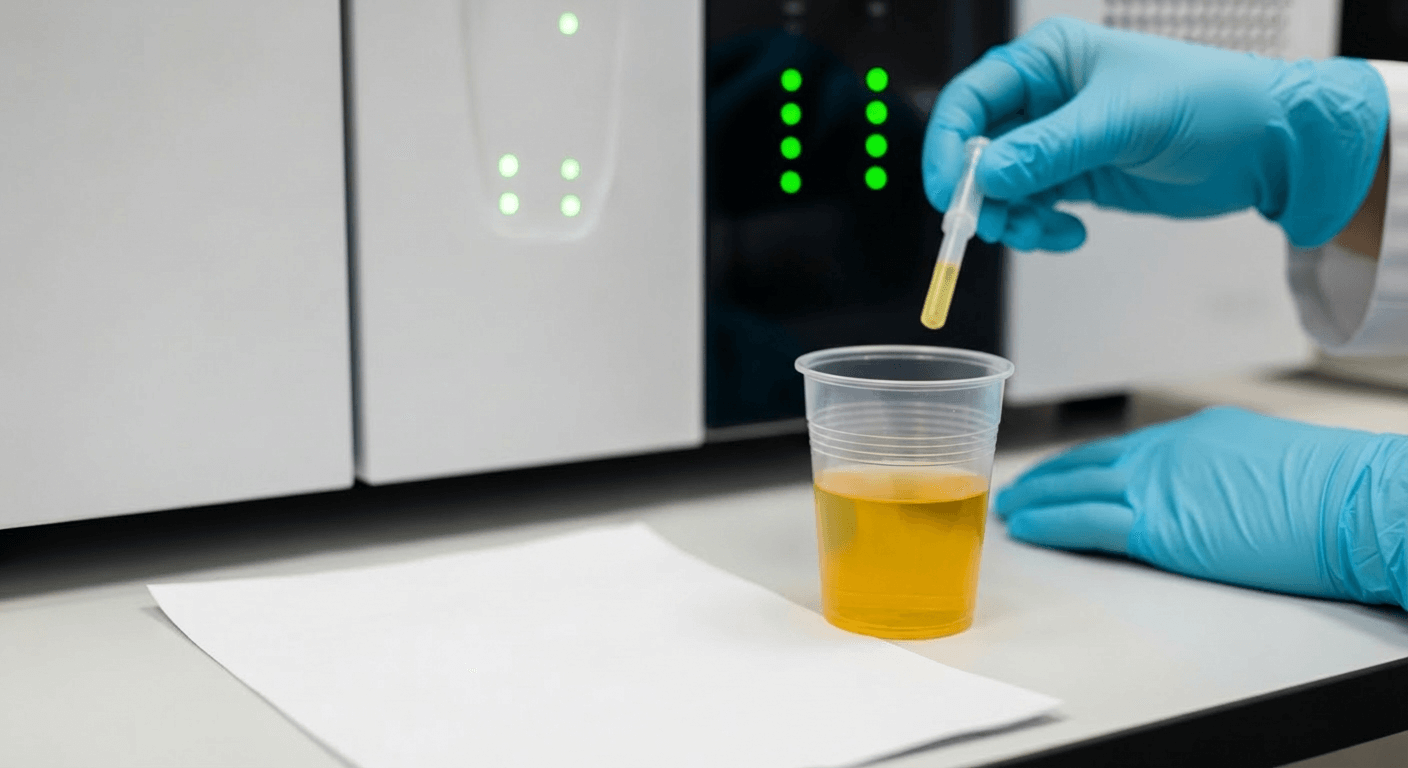
Fentanyl is a highly potent opioid analgesic, commonly prescribed for severe pain but also associated with significant medical risk. A frequent and understandable question among patients and professionals alike is how long fentanyl remains detectable in urine.
In most individuals, fentanyl can be identified in urine for approximately two to three days following the final dose. Laboratories often test not only for fentanyl itself, but also for norfentanyl, its primary metabolite, which may persist slightly longer in the body. Detection time is influenced by several individualized factors, including dosage, duration of use, body composition, and kidney function.
It is important to note that some rapid screening tests do not reliably detect fentanyl unless a specific fentanyl panel is included. When accuracy is essential—such as in medical decision-making or occupational testing—confirmatory testing using liquid chromatography–tandem mass spectrometry (LC-MS/MS) is the gold standard, capable of identifying very small concentrations of fentanyl and norfentanyl. In individuals who have used fentanyl repeatedly over multiple days, urine tests may remain positive for a week or longer.
How Urine Tests Detect Fentanyl
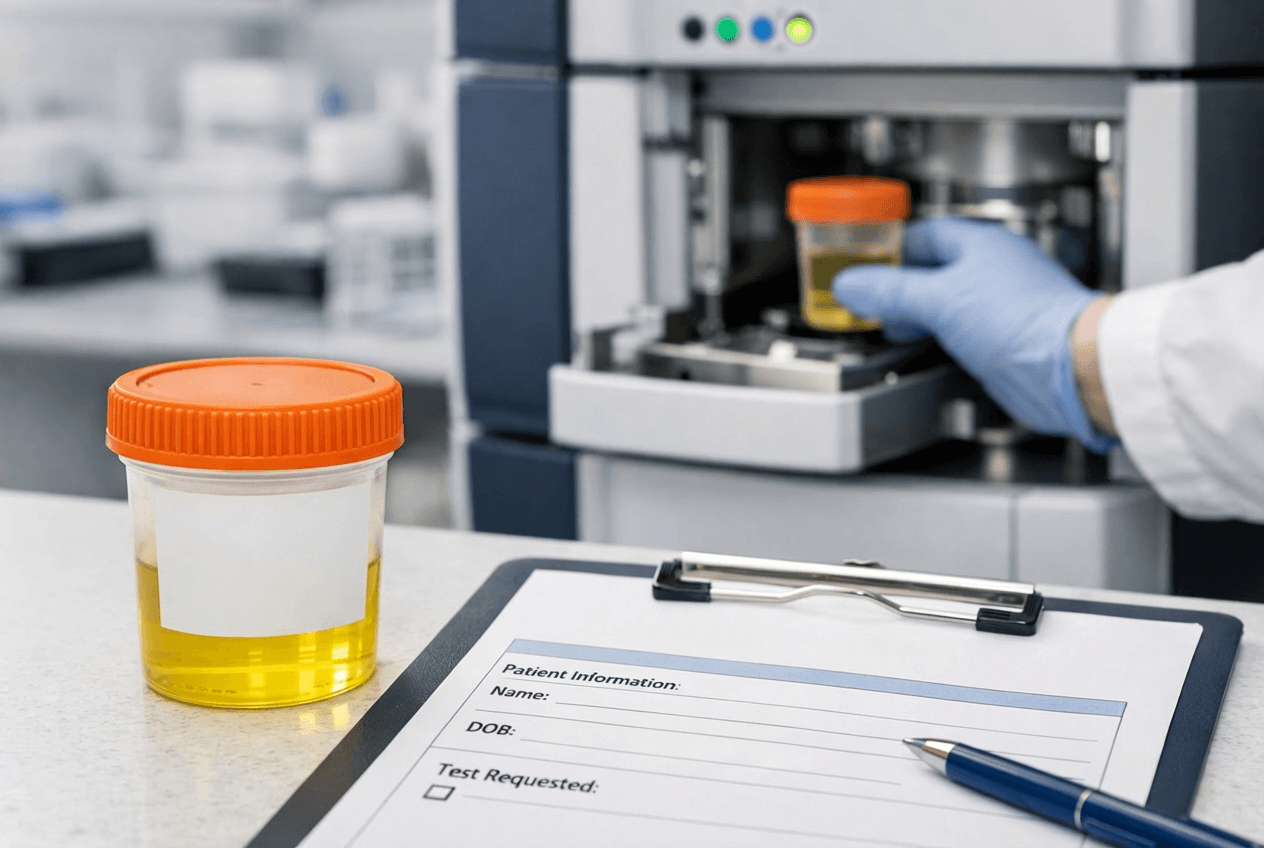
Urine drug testing begins with the careful collection of a sealed specimen, labeled with identifying information, date, and time. Most facilities initially perform an immunoassay screening test, which provides a preliminary positive or negative result.
Standard opioid panels are designed to detect morphine-based compounds and may not identify fentanyl. A dedicated fentanyl assay, however, specifically measures fentanyl and often its metabolite, norfentanyl.
When results carry medical, legal, or occupational significance, confirmatory testing is performed. Mass spectrometry allows laboratories to precisely quantify fentanyl and norfentanyl at very low levels. Final reports list the detected substances, cutoff thresholds, and measurement units (typically nanograms per milliliter). Patients are encouraged to ask whether fentanyl testing is included and whether positive results are confirmed using LC-MS/MS.
Why Fentanyl May Remain Detectable Longer in Some Individuals
The detection window for fentanyl can be extended for a variety of physiological reasons. Fentanyl is a lipophilic compound, meaning it can accumulate in body fat and be released gradually over time.
After administration, the liver metabolizes fentanyl into norfentanyl, which is then filtered by the kidneys and excreted in urine. Repeated dosing or prolonged use increases the total drug burden, extending detection time.
Key factors that may lengthen urine detection include:
- Higher cumulative doses
- Repeated use over multiple days
- Greater body fat stores
- Liver conditions that slow metabolism
- Kidney conditions that reduce elimination
- Transdermal patch use, which continues delivery after removal
- Interactions with other medications
- Excessively diluted urine, which may fall below testing thresholds
For clarity and accuracy, patients should confirm whether both fentanyl and norfentanyl are included in the urine testing panel.
Factors That Influence Fentanyl Detection
Several variables can influence how long fentanyl is detectable in urine:
- Dose and frequency: Larger or more frequent doses increase accumulation and prolong elimination.
- Route of administration: Transdermal patches release fentanyl slowly over time, while injections deliver higher concentrations more rapidly.
- Metabolism and age: Younger individuals often metabolize drugs more efficiently, while clearance may slow with age.
- Body composition: Because fentanyl can be stored in fat, higher body fat percentages may extend detection time.
- Liver and kidney health: Impaired liver or kidney function can delay drug breakdown and removal.
- Hydration: Adequate hydration supports normal kidney function, though it does not immediately eliminate fentanyl.
Does Fentanyl Appear on Standard Drug Tests?
Fentanyl does not always appear on routine opioid screens. Many standard panels are designed to detect morphine-derived opioids and may return a negative result even when fentanyl is present.
Expanded panels or fentanyl-specific tests are required to detect fentanyl and norfentanyl accurately. Confirmatory testing with mass spectrometry offers the highest level of reliability. Individuals undergoing testing should always verify which substances are included in the panel.

Clearing Fentanyl from the Body Safely
The safest and most effective way to eliminate fentanyl from the body is to discontinue use and allow time for natural metabolism and excretion. While adequate hydration supports overall health, it cannot rapidly remove fentanyl. Commercial detox products offer little clinical benefit.
Abrupt cessation after regular use may lead to opioid withdrawal, which can include sweating, tremors, gastrointestinal distress, and dehydration. Importantly, opioid tolerance decreases quickly after stopping use, significantly increasing the risk of overdose if fentanyl is resumed.
Medically supervised detoxification is the safest approach. Healthcare professionals monitor vital signs, hydration status, and withdrawal symptoms, providing medications such as buprenorphine, methadone, or clonidine when appropriate. Naloxone should always be readily available, and urgent medical care is essential if breathing becomes slow or shallow, skin turns blue or gray, or consciousness is impaired.
How Long Does Fentanyl Withdrawal Last?
Withdrawal symptoms may begin 8 to 24 hours after the final dose of short-acting opioids. Symptoms typically peak around days two to three.
Acute withdrawal generally lasts four to ten days, with symptoms such as nausea, vomiting, diarrhea, muscle aches, chills, sweating, and insomnia. Some individuals experience prolonged sleep disturbance and cravings for weeks or months afterward.
Medical oversight during detox allows clinicians to monitor blood pressure, heart rate, and hydration while providing medications to reduce symptom severity and improve safety.
Detox Concierge offers physician-led, in-home detox care, providing personalized medical oversight and nursing support during withdrawal in the comfort of one’s home.
Conclusion
In many cases, fentanyl is detectable in urine for up to three days, though repeated use can extend this window. Blood levels decline more rapidly due to fentanyl’s short half-life, while saliva tests may detect opioids for up to 48 hours, and hair testing can reflect use for approximately 90 days.
Detection times vary based on dose, duration of use, body composition, and kidney function. While timelines are useful for planning, safety should always come first. Medically supervised detoxification significantly reduces the risks associated with withdrawal and overdose and provides the highest standard of care during recovery.