
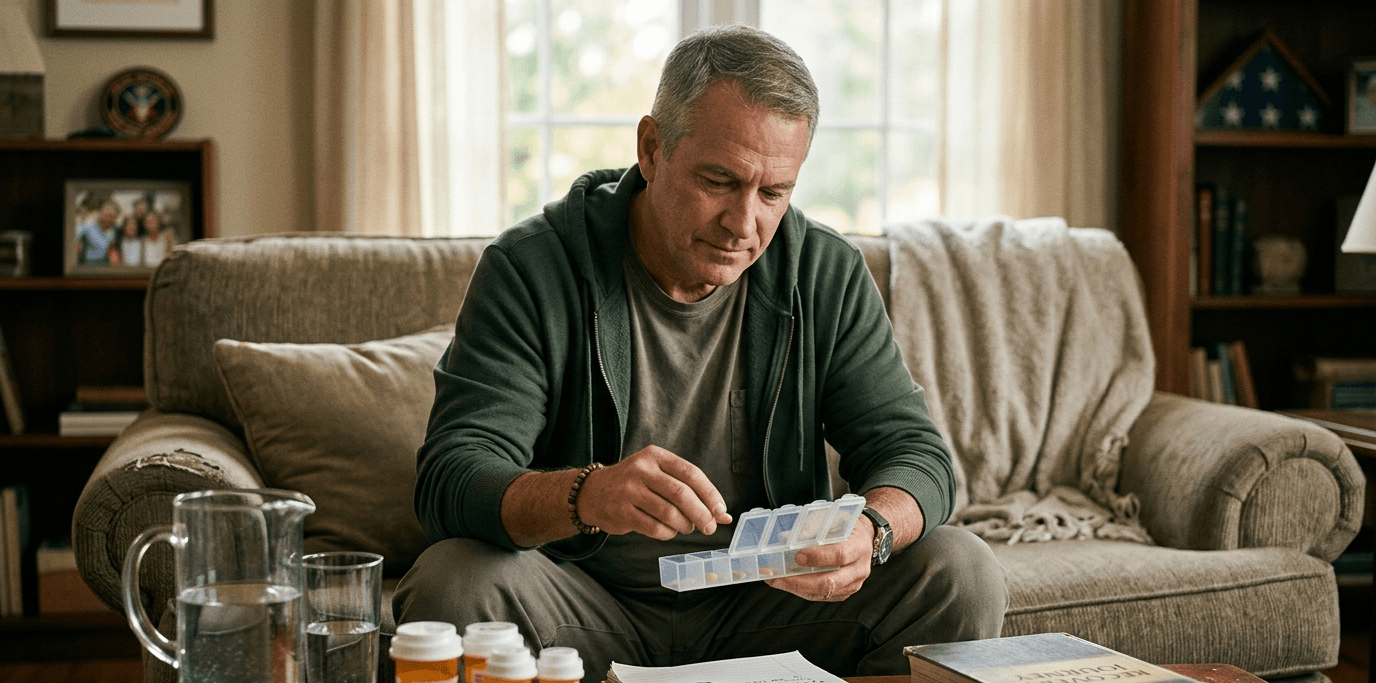
Veterans often carry experiences that require a higher standard of clinical understanding, privacy and respect. For many, alcohol dependence is not simply a behavioral issue. It may be connected to trauma, anxiety, insomnia, reintegration stress or the lasting effects of military service.
Traditional treatment settings can feel too public, too institutional or too disruptive. For veterans concerned about stigma, confidentiality, employment or security clearance implications, private home alcohol detox offers a discreet, medically supervised alternative. It allows withdrawal care to take place in the comfort and privacy of home, without requiring admission to a rehabilitation facility.
4 Unique Challenges Veterans Face During Alcohol Detox
Veterans often encounter cultural, psychological and systemic barriers that differ from those experienced by civilians. A refined, veteran-conscious detox plan should account for the following concerns.
1. The Stigma of “Weakness” in Military Culture
Military culture often values discipline, resilience and emotional control. While these qualities are strengths, they can also make it difficult for veterans to acknowledge alcohol dependence or seek professional treatment.
For some veterans, entering an inpatient program may feel overly visible, especially if they remain connected to military or professional communities. Private home alcohol detox reduces that exposure by allowing veterans to receive supervised withdrawal care in a confidential, controlled environment.
Rather than viewing treatment as a sign of weakness, medically guided detox reframes recovery as a responsible health decision.
2. PTSD and Alcohol Dependence as a Dual Diagnosis
Post-traumatic stress disorder and alcohol dependence frequently overlap. Many veterans use alcohol to temporarily manage symptoms such as anxiety, insomnia, flashbacks, hypervigilance or emotional distress. Over time, however, alcohol dependence may worsen mood instability, sleep disruption and depression.
Withdrawal can also bring trauma symptoms back to the surface, making detox more clinically complex. This is why trauma-informed medical care is essential. Providers should understand PTSD triggers, combat-related trauma and military sexual trauma before detox begins.
A sophisticated detox plan does not only manage withdrawal symptoms. It also anticipates emotional vulnerability and prepares the veteran for continued mental health support after detox.
3. Career, Privacy and Security Clearance Concerns
Active-duty personnel, recently separated service members and veterans in sensitive professional roles may worry about how addiction treatment records could affect future opportunities. These concerns can delay care, even when alcohol withdrawal has become medically dangerous.
While HIPAA protects patient confidentiality, insurance claims and inpatient admission records may still create administrative documentation. For veterans seeking the highest level of discretion, self-pay home alcohol detox may offer a more private path while still preserving access to medical supervision.
This level of confidentiality can be especially important for veterans who want clinical care without unnecessary visibility.
4. Distrust of the VA System and Bureaucratic Delays
The Department of Veterans Affairs provides important long-term resources, but waitlists, referrals and administrative delays may discourage veterans from seeking immediate care.
A private home detox model can help bridge that gap by offering prompt, physician-led withdrawal management in a controlled residential setting. For appropriate candidates, Detox Concierge can mobilize care within 24 to 48 hours, allowing veterans to begin detox privately while avoiding unnecessary delays.
What Home Alcohol Detox Looks Like Clinically
Veterans undergoing alcohol withdrawal often require both medical oversight and trauma-informed support. A high-quality home detox protocol should address physical withdrawal, emotional safety and post-detox continuity of care.
Pre-Detox Clinical Assessment
Before detox begins, providers evaluate alcohol use history, previous withdrawal episodes, medical risk factors and co-occurring mental health concerns. Veterans may also be screened for PTSD, combat exposure and military sexual trauma so potential triggers can be identified in advance.
Medication-Guided Withdrawal Management
Many clinical protocols use CIWA-Ar-guided medication management to reduce withdrawal severity and lower seizure risk. Veterans with PTSD may require closer monitoring because anxiety, hyperarousal and insomnia can intensify during alcohol withdrawal.
Private, Trauma-Aware Nursing Care
During detox, experienced nursing staff provide calm, predictable and discreet support. The familiar surroundings of home can help reduce stress and create a greater sense of control throughout the withdrawal process.
Post-Detox Transition Planning
Detox is only the first phase of recovery. After withdrawal is medically stabilized, veterans should transition quickly into ongoing support, such as PTSD-focused therapy, a VA Community Care Network provider or a veteran-specific outpatient program.
Home Detox vs. VA Inpatient Program
Factor | Private Home Alcohol Detox | VA Inpatient Program |
Wait Time | Often available within 24–48 hours | May involve weeks or months of waiting |
Privacy | High discretion with no inpatient facility admission | VA medical record is created |
Setting | Private home environment | Hospital or residential facility |
Trauma-Informed Care | Depends on provider; should be verified in advance | Available in specialized VA programs |
PTSD Integration | Usually coordinated through outside referral after detox | Often integrated within VA care |
Peer Support | Limited during detox | Veteran peer community may be available |
The right choice depends on medical needs, privacy priorities, benefits eligibility and the veteran’s comfort level. For those seeking a discreet private option, Detox Concierge provides physician-led home detox with registered nurses delivering daily care directly in the client’s Los Angeles residence.
Conclusion
For veterans, alcohol recovery deserves a treatment pathway that honors service, protects privacy and recognizes the realities of trauma. While the VA remains an important resource for long-term care, private home alcohol detox offers a confidential, clinically supervised alternative for those who need immediate support without the visibility of inpatient admission.
Choosing recovery is not a surrender of strength. It is a deliberate, medically responsible step toward stability, dignity and renewed control over civilian life.
FAQs
For appropriate candidates, home alcohol detox can be safe when supervised by qualified medical professionals trained in trauma-informed care. Clinical oversight helps manage withdrawal symptoms while supporting emotional stability during the detox process.
Self-pay private home detox may help reduce administrative documentation through insurance or inpatient facility records. HIPAA protects medical confidentiality, but veterans with security clearance concerns should consult an appropriate legal or clearance professional for personalized guidance.